Why Imposing Tariffs Isn't the Best Idea.
Why Imposing Tariffs Isn't the Best Idea.
1.) Consumer Prices

2.) Trade Wars
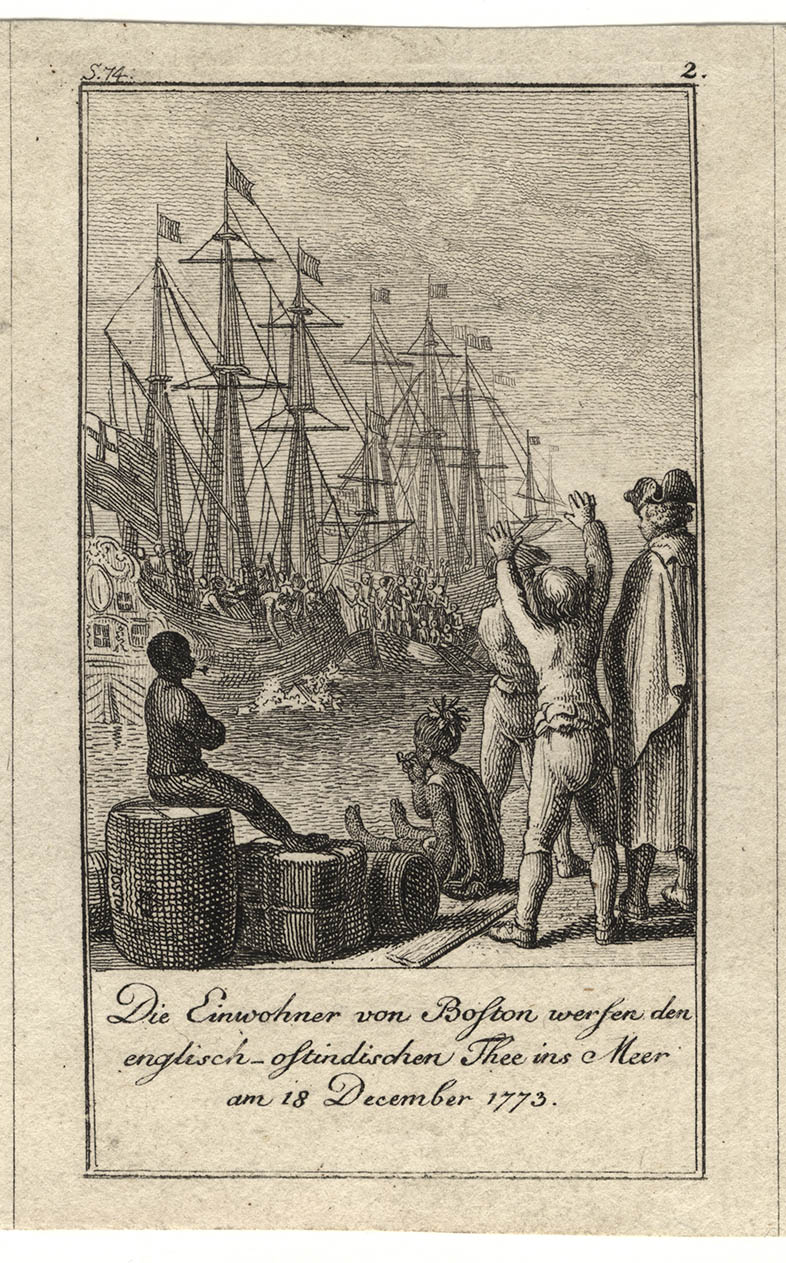
Tariffs have the potential to ignite trade conflicts. When a country enforces tariffs on goods imported from another country, the impacted nation frequently responds by imposing its own tariffs. This tit-for-tat can spiral into a trade war, with both countries persistently imposing tariffs on each other's products. As a result, trade between the two countries diminishes, leading to a slump in economic growth for both parties. One of my favorite examples to explore is the 1987 U.S. - Japan Trade War (follow the hyper link to learn more.) This trade war arose from escalating tensions surrounding trade imbalances and allegations of unfair trade practices by Japan, including actions like dumping and currency manipulation. This conflict had vast implications for the economies of both countries.
3.) Domestic Industries
Imposing tariffs can have negative effects on domestic industries that heavily depend on imported goods. Many industries rely on imported raw materials or components to manufacture their products. When tariffs are imposed on these imports, it leads to an increase in production costs, which in turn makes domestic products less competitive in the global market. This lack of competitiveness can result in job losses and decreased overall competitiveness for domestic industries, ultimately impacting the economy as a whole.
4.) Diplomatic Relations

The Great Debate
Imposing tariffs may initially appear to be a quick fix to safeguard domestic industries, but over the long term, it may prove to be a misguided strategy riddled with adverse ramifications. The escalation of consumer prices, the potential for trade conflicts, detrimental effects on local industries, and strained international relations are among the myriad reasons why tariffs demand meticulous evaluation and avoidance whenever feasible. I firmly believe that nations should prioritize the cultivation of transparent and equitable trade relationships as a means to foster universal economic advancement and prosperity. It's time to transcend narrow nationalistic viewpoints and embrace a more comprehensive approach to global trade. Nevertheless, this is simply my viewpoint, and I'm open and eager to hear and learn from all of you. Think of this blog as an academic safe space. Leave me a comment below and let's talk!


Comments
Post a Comment