Everything You Need to Know About the Israel/Palestine Conflict.
Everything You Need to Know About the Israel/Palestine Conflict.



In 1977, an even more significant development occurred with the establishment of the Israel Defense Forces' Christian Lebanese allies, known as the Lebanese Front, in Beirut. This move heightened tensions in Lebanon and garnered criticism from various Arab states and Palestinian groups. The presence of Israeli forces in Lebanon further complicated the intricate web of alliances and conflicts in the country, contributing to regional destabilization. Subsequently, the Islamic Conference Quadripartite Committee (ICQP) talks commenced. The ICQP was formed to address the Palestinian issue and foster a united Islamic front in support of the Palestinian cause. Representatives from Saudi Arabia, Syria, Egypt, and Iran came together in the ICQP talks to explore ways to support the Palestinian people in their quest for self-determination and independence. This underscored the increasing global focus on the Israel-Palestine conflict and emphasized the significance of Islamic solidarity in confronting shared challenges. In addition, 1977 marked the initial indications of the Palestinian Intifada, or uprising, which would later intensify in the late 1980s. The Intifada was a grassroots movement of Palestinian opposition to Israeli occupation, characterized by widespread protests, civil disobedience, and acts of defiance. It served as a key moment in the Israel-Palestine conflict, redirecting attention from formal diplomatic discussions to grassroots mobilization and resistance. 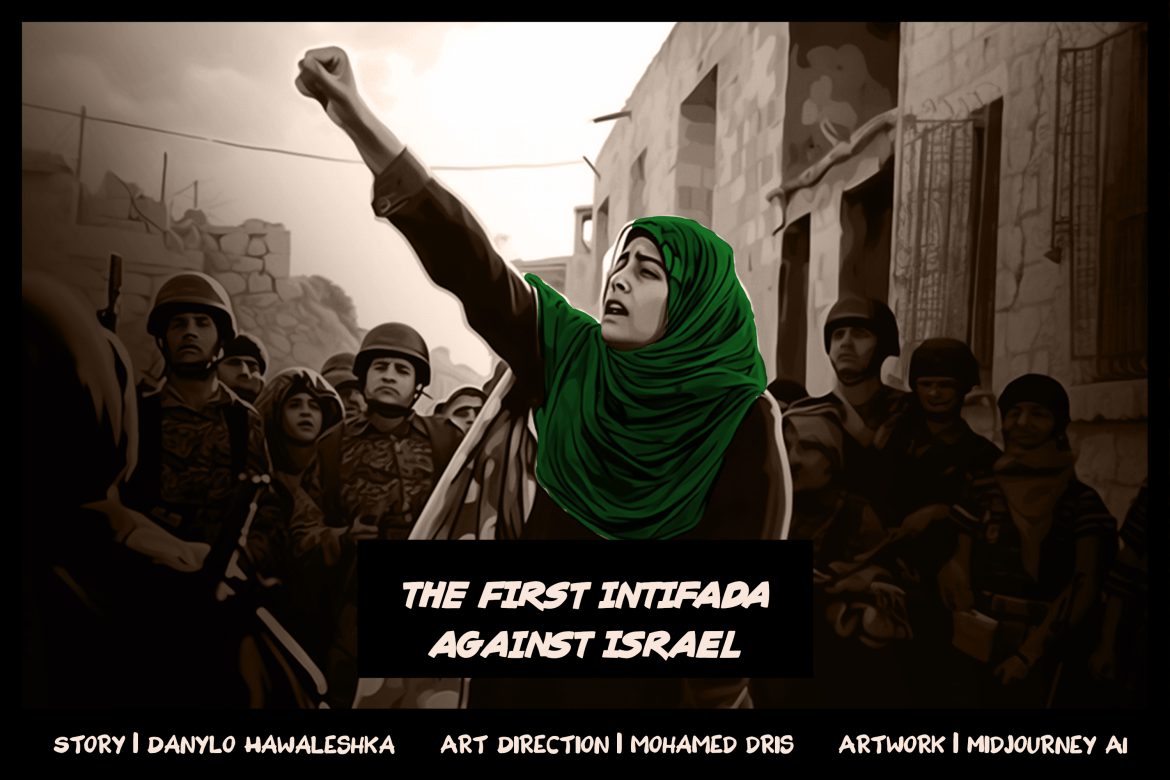 In 1991, a Peace Conference was held in Madrid that marked a significant turning point in the ongoing Israeli-Palestinian conflict. It was the first direct negotiation between Israel and its Arab neighbors, including Palestinians, and it raised hopes for a lasting resolution to the longstanding conflict. Co-sponsored by the United States and the Soviet Union, the conference brought together essential players from the region to discuss ways to achieve peace and establish a framework for future negotiations. The Madrid Conference laid the foundation for the Oslo Accords, signed in 1993, which outlined a process for achieving peace between Israel and the Palestinians. The Accords were a major breakthrough, leading to the establishment of the Palestinian Authority and the recognition of Israel by the Palestine Liberation Organization (PLO). However, the peace process soon encountered obstacles and setbacks, leading to growing frustration among Palestinians and renewed violence in the region. In 2000, the Second Intifada erupted.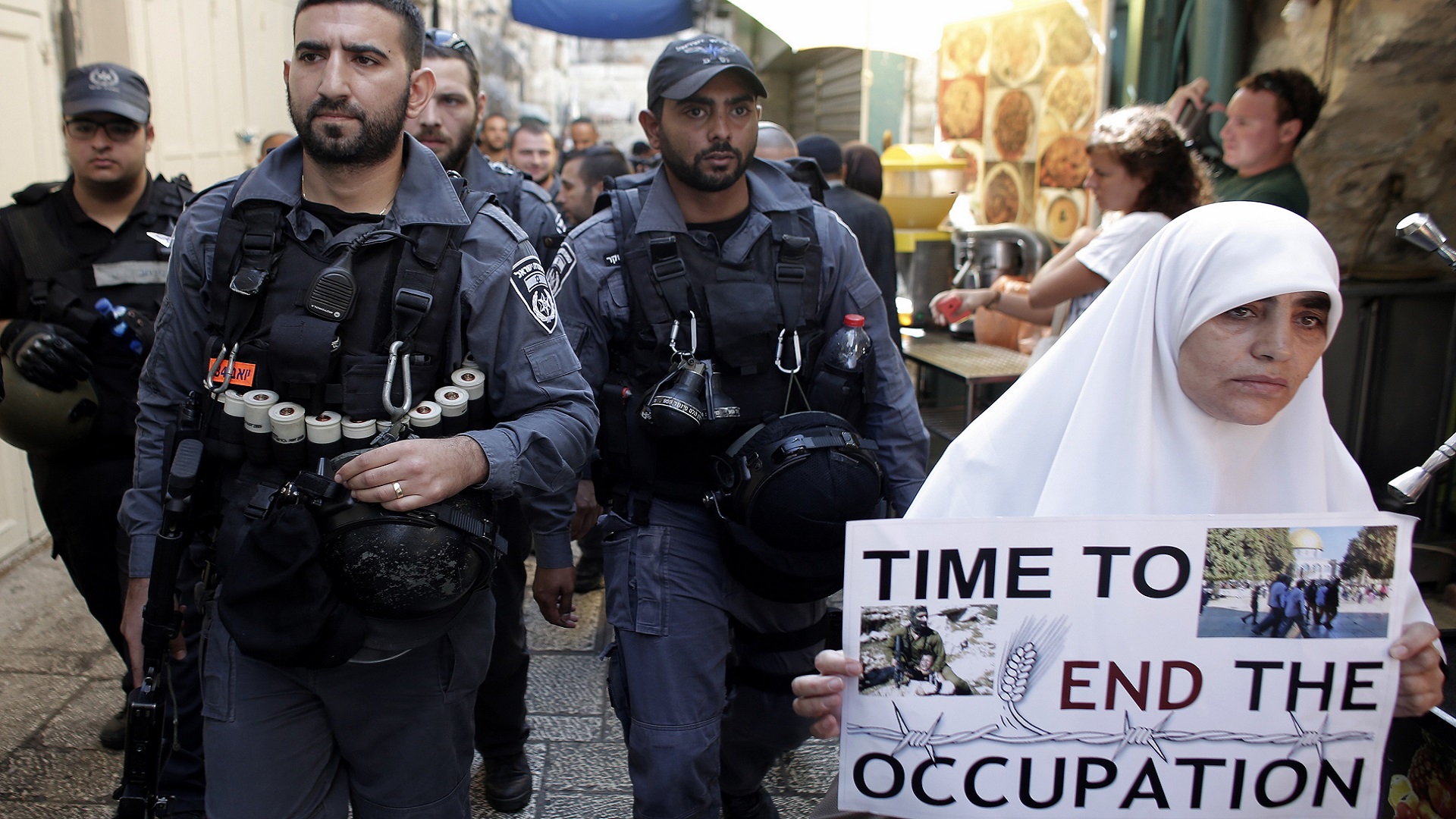
The Second Intifada in the year 2000 was a violent escalation in the Israel-Palestine conflict. This "uprising," as it translates in Arabic, was characterized, once again, by widespread protests, demonstrations, and acts of violence on both sides. The roots of the Second Intifada can be traced back to various factors, including the failure of the Oslo Accords to bring about lasting peace and the continued expansion of Israeli settlements in the West Bank. In comparison to the First Intifada, the Second was particularly brutal and destructive, with suicide bombings, shootings, and acts of terrorism becoming all too common. The violence led to significant loss of life on both sides and deepened the division and mistrust between Israelis and Palestinians. The Second Intifada demonstrated the limitations of using military force to resolve deeply entrenched political and territorial disputes.  Present Day...
The enduring conflict between Israel and Palestine is deeply rooted in the historical context of the region. Both Israelis and Palestinians have deep historical connections to the land, each asserting a right to sovereignty based on their own narratives. The establishment of the State of Israel in 1948 and the subsequent displacement of hundreds of thousands of Palestinians during the Arab-Israeli war created a fundamental source of ongoing tension and resentment. Moreover, religious and ideological disparities are significant contributing factors. The region is significant to three major monotheistic religions - Judaism, Christianity, and Islam. The holy sites in Jerusalem, including the Church of the Holy Sepulchre, the Dome of the Rock, and the Western Wall, hold tremendous importance for all three religions, leading to conflicting claims and tensions over control and access to these sites. Additionally, the contention over land and borders is a major contributing factor. Both Israelis and Palestinians lay claim to the same territories, including the West Bank, Gaza Strip, and East Jerusalem, and there is a persistent unwillingness to reach a compromise.
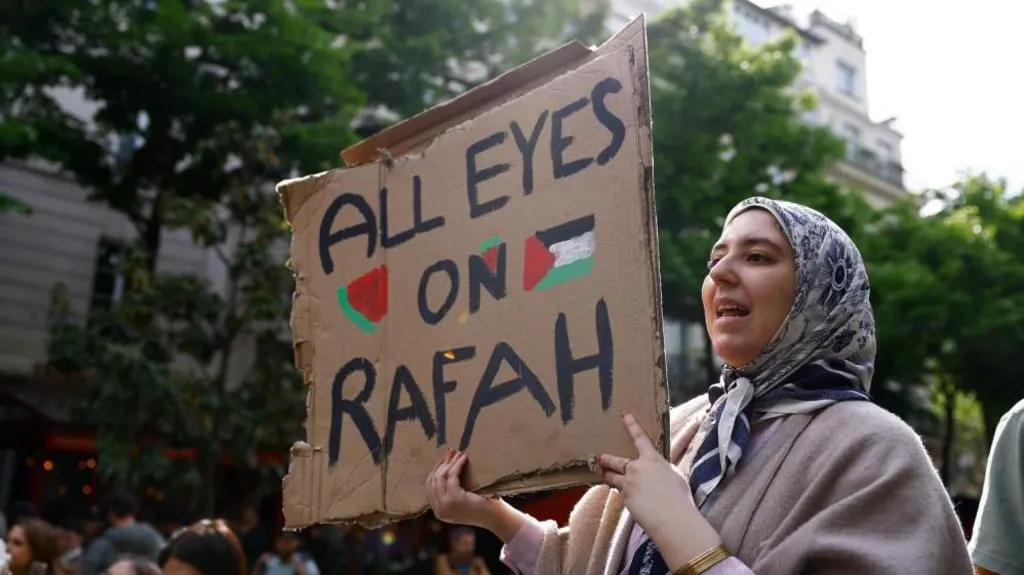
As Palestinians have faced ongoing struggles in their quest for refuge, their hope for safety has been further dimmed by recent attacks on their designated "safe zones." The escalating violence has reached unprecedented levels, leaving a profound impact on the community. It is truly heartbreaking that as a result of these devastating events, many children have been left without parents, having tragically lost their entire families. Similarly, parents have been left grieving the loss of their children, and countless homes have been destroyed. While my voice may be just one among many on the internet, I implore those who are able to consider making a donation to support those affected by these unimaginable losses. Do not close your eyes to the horrors that you are seeing, for these are the nightmares that every Palestinian is subject to every day.

Comments
Post a Comment